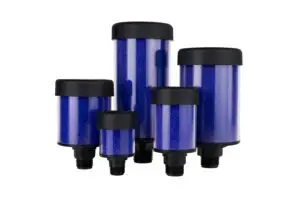
Gearbox breathing and pressure effects play a critical role in moisture ingress, seal performance and the long‑term reliability of industrial/wind energy and maritime gearboxes.
Temperature fluctuations and load variations cause internal pressure changes, forcing gearboxes to “breathe” through seals, vents or breathers. During inspections, these effects often explain corrosion, lubricant degradation and unexpected wear patterns.
What Is Gearbox Breathing?
Gearbox breathing refers to the inward and outward movement of air as internal pressure changes. Pressure differences are mainly caused by:
- temperature variations during operation and standstill
- load changes affecting oil temperature
- environmental conditions such as ambient temperature and humidity
When pressure increases, air is expelled; when pressure drops, external air can be drawn back into the gearbox.
Pressure Changes in Gearboxes and Their Causes
Pressure build‑up or vacuum conditions can occur due to:
- rapid heating during startup
- cooling during shutdown or standby
- insufficient or blocked ventilation systems
- sealed or semi‑sealed gearbox designs
Without adequate pressure equalisation, these changes place stress on seals and weak points in the gearbox housing.
Softer gear teeth more commonly show plastic deformation, smearing or polishing wear. While these mechanisms may develop more gradually, they can still lead to loss of profile accuracy and increased dynamic loading.
Effects on Seals, Lubrication and Components
Gearbox breathing and pressure effects can lead to several degradation mechanisms:
- Seal stress and leakage, especially at shaft interfaces
- Moisture ingress, caused by humid air being drawn inside
- Condensation, when warm internal air cools down
- Lubricant contamination, resulting in reduced lubrication performance
- Accelerated corrosion of gears, bearings and internal surfaces
These effects often develop gradually and remain unnoticed without inspection.
Mitigation and Design Considerations
Several measures help reduce negative breathing and pressure effects:
- properly sized and maintained breathers
- desiccant breathers in humid environments
- pressure‑compensating ventilation systems
- regular inspection of seals and vents
- monitoring lubricant condition over time
From an inspection perspective, understanding gearbox breathing behaviour is essential for accurate failure analysis and maintenance planning.
Conclusion
Breathing and pressure effects in gearboxes are often overlooked but have a significant influence on internal condition and reliability. Inspection findings related to corrosion, contamination and seal degradation can frequently be traced back to pressure‑induced air exchange. Incorporating these mechanisms into inspection analysis improves diagnosis and long‑term
Gearbox performance.